
Unlocking the Soul: The Emotional Resonance of Oil Portraits

When I first stood before an oil portrait, I was struck not just by the image but by the feelings it stirred inside me. Oil portraits have a unique power to capture more than just a likeness; they reveal the inner world of the subject and evoke deep emotions in the viewer. Exploring the emotions of oil portraits has become a personal journey for me, one that opened my eyes to how art connects us to the human experience in ways words often cannot.

The Personal Connection Behind Oil Portraits
Oil paint’s texture and richness allow artists to layer colours and shadows, creating subtle shifts in tone that mimic real skin and light. This technique brings out the emotions of oil portraits in a way that feels alive. The slow drying time of oil paint gives artists the freedom to refine expressions, making each portrait a blend of technical skill and emotional insight.
How Artists Capture Emotions in Oil Portraits
Artists use several methods to convey feelings through oil portraits:
Facial expressions: Slight changes in the eyes, mouth, or brow can communicate a wide range of emotions from joy to melancholy.
Colour choices: Warm tones like reds and oranges can evoke passion or warmth, while cooler blues and greens often suggest calm or sadness.
Brushwork: Smooth, blended strokes can create softness and serenity, while rough, visible strokes add intensity and movement.
Lighting and shadow: Contrast between light and dark areas can highlight certain features and add drama or mystery.
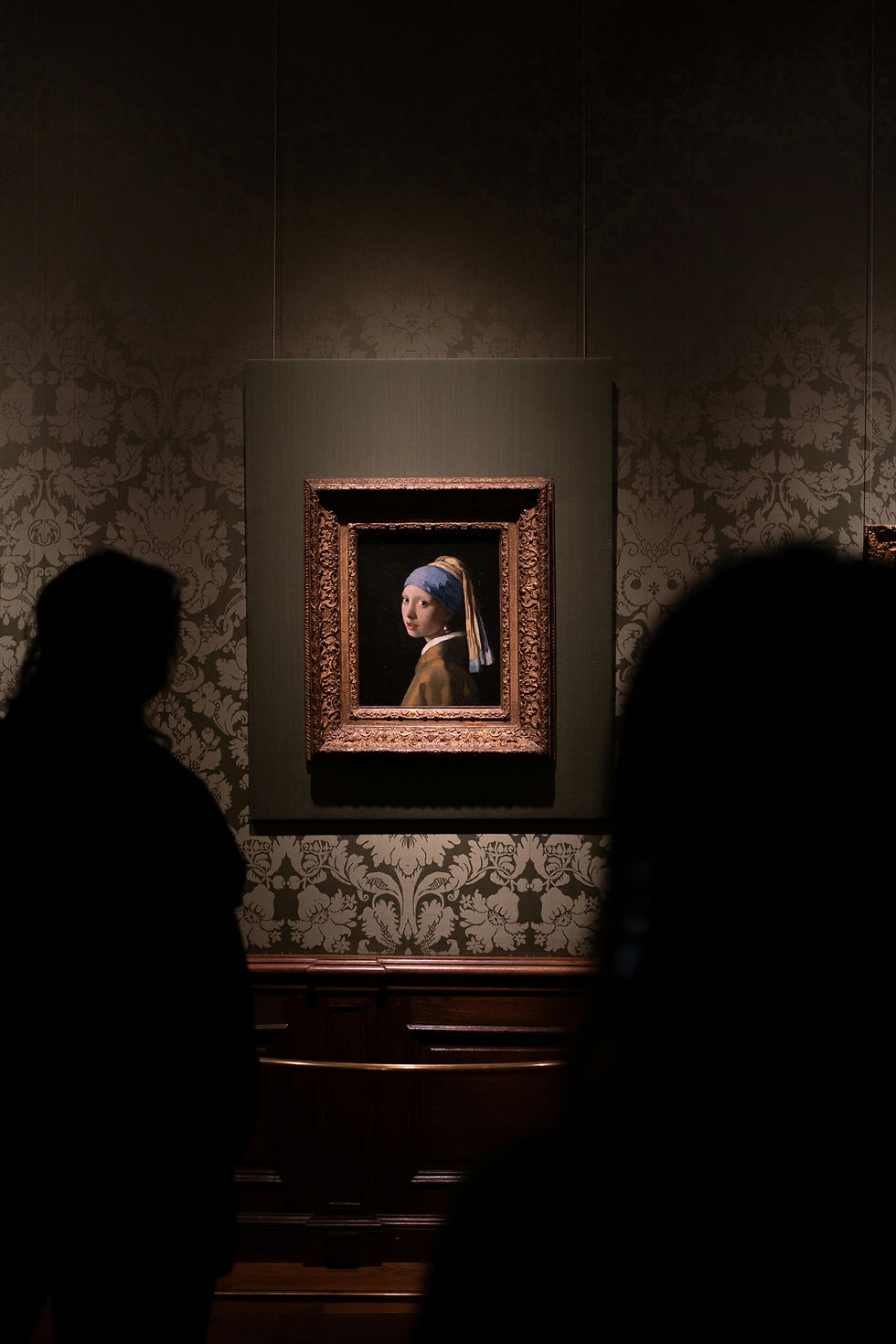
For example, the famous oil portrait Girl with a Pearl Earring by Johannes Vermeer uses soft lighting and a direct gaze to create a sense of intimacy and curiosity. The emotions of oil portraits like this one invite viewers to imagine the story behind the subject’s eyes.
Why Oil Portraits Evoke Strong Emotions
Oil portraits often feel more personal and timeless than photographs or digital images. This is because:
Human touch: The artist’s hand is evident in every brushstroke, making the portrait a unique creation filled with intention.
Depth and texture: The layers of paint create a three-dimensional effect that draws viewers in.
Time investment: Oil portraits take hours, sometimes weeks, to complete. This slow process allows for reflection and emotional depth.
Storytelling: Portraits often capture a moment or mood that tells a story beyond the surface.
When I look at an oil portrait, I don’t just see a face. I sense the subject’s personality, struggles, and joys. This connection is why oil portraits continue to resonate emotionally across centuries.
Bringing Emotional Depth to Your Own Portrait Experience
If you want to experience the emotions of oil portraits more deeply, here are some tips:
Spend time with the portrait: Look beyond the face and notice details like the eyes, hands, and background.
Learn about the subject: Knowing the story behind the portrait adds layers of meaning.
Observe the artist’s technique: Notice brushstrokes, color choices, and lighting to understand how emotions are conveyed.
Reflect on your feelings: Ask yourself what emotions the portrait stirs in you and why.
Visiting galleries or museums with oil portraits can be a powerful way to practice this. I found that journaling my thoughts after viewing portraits helped me connect more deeply with the emotions they express.

Take Care,
Sandra x


Comments