
The Best Options for Displaying Acrylic Abstract Paintings

Updated: Jun 3
"Displaying Acrylic Abstract Paintings: A Guide to Elevate Your Space"
Displaying acrylic abstract paintings well is almost as important as choosing them. The right setting brings out color shifts, texture, movement, and scale. It allows the work to shape the mood of a room rather than simply fill a blank wall. In contemporary interiors, abstract art often becomes the visual anchor. Therefore, the way it is framed, positioned, and lit deserves real thought. For collectors seeking original work with presence and refinement, Sandra Vincent Art Melbourne reflects how expressive abstract art can feel both sophisticated and deeply personal in Australian homes.
Match the Painting to the Room Before You Hang It
The most successful display begins with proportion. Large acrylic abstract paintings generally work best where they have space to breathe. Think about placing them above a sofa, bed, sideboard, or in an entry hall with a clear sightline. Smaller works can be striking too, but they need stronger placement discipline. If a painting is too small for the wall, it can look hesitant. Conversely, if it’s too large, it can dominate the room in a way that feels heavy rather than intentional.
Consider Color and Texture
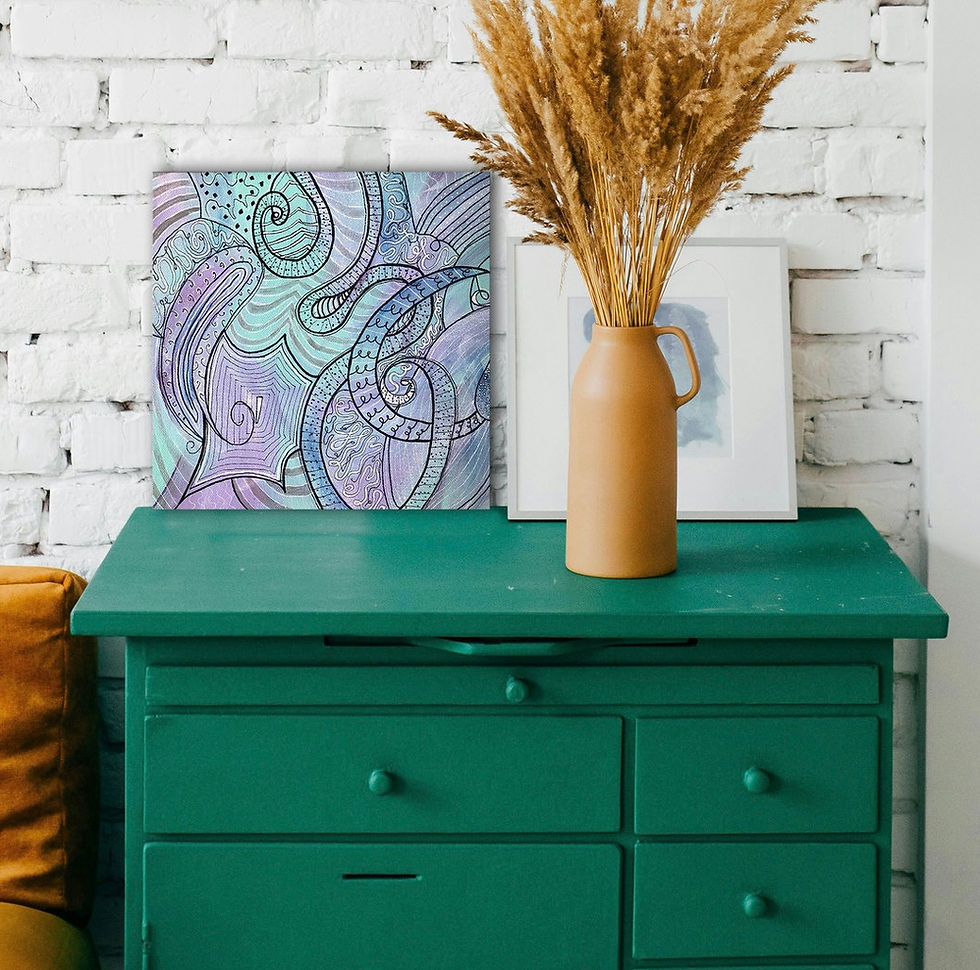
Color should also guide placement. A painting does not need to match the room exactly, but it should feel in conversation with it. If your interior is restrained and neutral, a vivid work can create welcome tension and energy. If the space already carries layered color, look for a piece that repeats one or two tones to create continuity. Texture matters as well. Acrylic surfaces can range from smooth and luminous to heavily built and tactile. This should be considered alongside nearby materials such as timber, linen, stone, leather, or metal.
For those building a collection of original abstract art in Australia, browsing acrylic abstract paintings can help clarify what scale, palette, and visual rhythm best suits a particular interior.

Framed, Floated, or Unframed: Choose the Right Presentation Style
How a painting is finished has a major impact on its final presence. Some acrylic abstract paintings are designed to be shown unframed, particularly when the painted edges are resolved and the canvas has enough depth to feel architectural. Others benefit from a floating frame, which gives the work definition without crowding its energy. Traditional framing can suit more structured interiors, but it should never overpower the painting itself.
Presentation Styles
If the work is highly gestural or textural, a simple presentation often works best. Clean lines allow the movement of the painting to remain central. If the palette is quiet and tonal, a carefully chosen frame can sharpen the work and give it more authority on the wall.
| Display option | Best suited to | Visual effect | Things to consider |
|----------------------|------------------------------------|-------------------------------------|----------------------------------------------------------------|
| Unframed canvas | Contemporary, relaxed interiors | Direct, modern, minimal | Works best when edges are finished and canvas depth is substantial |
| Floating frame | Most abstract works | Polished without feeling formal | Choose a frame color that supports rather than competes |
| Traditional frame | Structured or classic spaces | Defined, composed, tailored | Keep the profile refined so the artwork remains the focus |
Placement Rules That Make Acrylic Abstract Paintings Look Intentional
One of the most common mistakes is hanging art too high. In most residential settings, the center of the painting should sit at a comfortable viewing height rather than near the ceiling line. If the work is going above furniture, leave enough connection between the two so they feel related. A painting floating too far above a console or sofa can seem visually detached.
Grouping and Spacing
When hanging a single large work, simplicity is usually strongest. Let it command the wall. With pairs or salon-style arrangements, consistency becomes essential. Spacing should be even, and the grouping should read as one composition rather than separate pieces scattered across a wall.
Measure the wall first. Consider both width and ceiling height before deciding on orientation and scale.
Use the furniture as an anchor. Art above a sofa, bed, or sideboard should relate clearly to that piece below it.
Check viewing angles. Stand at the room entrance and the main seating position to see how the work reads from different points.
Test before committing. Paper templates or painter's tape can prevent expensive mistakes.
In narrow spaces such as hallways, a vertical painting can create elegance and lift. In open-plan rooms, a wide horizontal work can bring structure and help define a zone without the need for physical division.
Use Lighting and Styling to Support the Artwork, Not Compete With It
Lighting can completely change how acrylic abstract paintings are experienced. Natural light reveals nuance beautifully, but direct harsh sunlight should be avoided where possible, especially over long periods. Diffused daylight is ideal. In the evening, warm and controlled artificial lighting helps maintain depth and atmosphere. A directional picture light or carefully positioned ceiling spotlight can be very effective, particularly when a work has surface texture that deserves to be seen.
Styling Tips
Styling around the artwork should remain restrained. Abstract paintings do not need excessive decoration nearby to prove their importance. In fact, too many competing objects can dilute their impact. Let the work establish the tone, then echo it lightly through the room.
Repeat one color from the painting in a cushion, rug, ceramic, or book spine.
Balance bold art with simpler surrounding shapes and quieter finishes.
Keep nearby surfaces edited so the eye returns naturally to the painting.
Consider reflection if the work faces windows, mirrors, or glossy surfaces.
Preserve the Work for the Long Term
Acrylic is durable, but it still benefits from sensible care. Avoid placing paintings in areas with persistent humidity, grease, or unstable temperature shifts, such as directly above cooktops or very close to heaters. Dust the surface gently and avoid household cleaning products. If a work is valuable or heavily textured, professional advice is worth seeking before any cleaning or reframing.
Secure Hanging Hardware
Secure hanging hardware matters too. Larger original works should be installed with the appropriate wall fixings for their size and weight. Good display is not only aesthetic; it is also protective.
Conclusion: Let the Painting Lead
The best way to display acrylic abstract paintings is to treat them as central design elements rather than afterthoughts. When scale, framing, placement, lighting, and surrounding styling are handled with care, abstract art gains clarity and authority. The room feels more resolved as a result. Whether you prefer a single statement canvas or a more layered arrangement, the strongest display choices are usually the ones that feel confident, considered, and quietly supportive of the work itself. In the end, great presentation allows original art to do what it does best: transform space through color, emotion, and presence.


Comments