
How to Style Your Home with Art: Tips from Sandra Vincent

Updated: May 17
Art is often the element that turns a well-furnished house into a home with character. The right piece can calm a busy room, bring warmth to a pared-back interior, or give a neutral palette a sense of depth and life. Sandra Vincent, whose work in original abstract art in Australia spans both oil and acrylic, approaches styling with a simple principle: art should not feel like an afterthought. It should shape the atmosphere of a room and reflect the way you want to live in it.

Read the Room Before You Choose the Art and Style your Home with Art.
One of the most common styling mistakes is choosing a painting in isolation, then trying to make it work once it arrives. A stronger approach is to start with the room itself. Consider how the space is used, how the natural light moves across the day, and what emotional tone you want the room to hold. A living room may suit a piece with movement and energy, while a bedroom usually benefits from something quieter and more meditative.
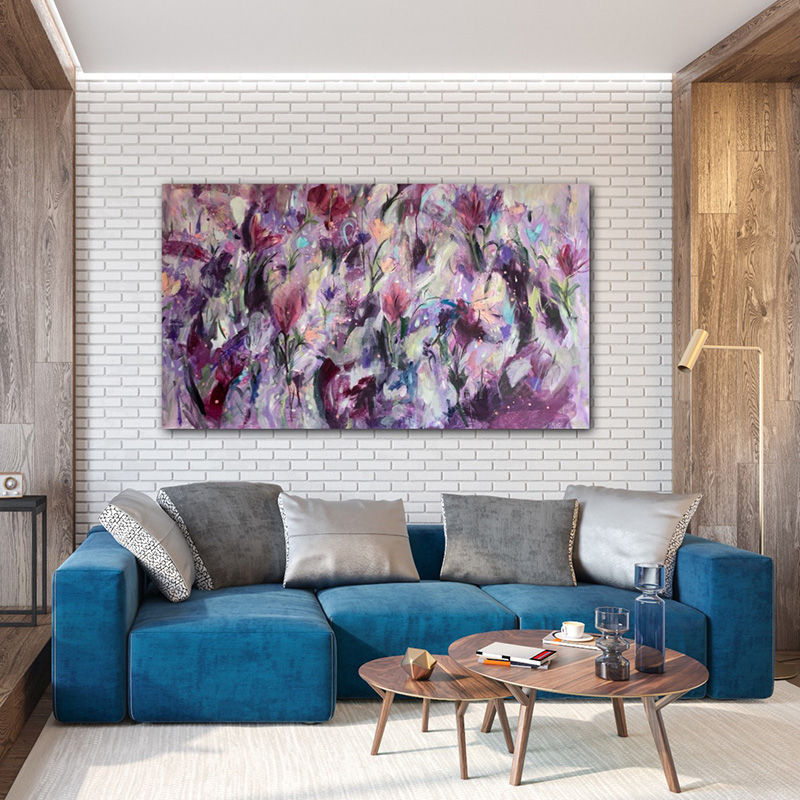
Scale matters just as much as style. A small work hung on a large wall can feel hesitant unless it is part of a considered grouping. In contrast, a generously sized abstract painting can anchor a room immediately, especially above a sofa, bed, or console. Leave enough visual breathing room around the artwork so it can hold its own without competing with cabinetry, lighting, or furniture. Here some ideas to style your home with art.
Room | What Usually Works Best | Styling Consideration |
Living room | Statement-scale abstract work | Match the width of the art to the furniture below for balance |
Bedroom | Calmer palettes and softer movement | Keep the placement low enough to feel connected to the bed |
Dining area | Work with energy and rhythm | Use art to add depth to more functional furnishings |
Hallway or entry | Confident focal pieces or curated smaller works | Choose art that creates an immediate sense of welcome |
Use Colour, Texture, and Medium to Shape the Mood
When styling with abstract art, colour does not need to match every cushion or rug in the room. In fact, overly coordinated spaces can feel flat. A better method is to echo one or two tones already present, then introduce contrast through an unexpected note. Earthy neutrals can be lifted by indigo, rust, or deep green. A coastal interior can gain sophistication from layered whites, stone, charcoal, and muted blue.
Texture is equally important. Oil paintings often bring richness, softness, and visible layering that changes with the light. Acrylic can deliver crispness, clarity, or bold contemporary presence depending on the technique. In a home with natural fibres, timber, linen, and stone, textured artwork often helps the room feel more complete because it adds another tactile layer rather than a flat decorative surface.
Use artwork to continue a palette, not copy it. Repetition creates calm, while contrast creates energy.
Think about finish and surface. A heavily textured painting can warm a minimalist room instantly.
Let one colour lead. Pull a subtle tone from the artwork into a vase, textile, or chair for cohesion.
This is where original abstract work can be especially rewarding. It offers variation in gesture, edge, and texture that reproductions rarely capture, and those subtleties often make the difference between a room that looks styled and one that feels genuinely layered.
Hang and Style Art So It Feels Intentional
Even a beautiful piece can underperform if it is hung awkwardly. In most rooms, art should relate to the furniture and architecture around it rather than float without context. As a general guide, keep the centre of the artwork near eye level, then adjust depending on the ceiling height and the furniture below. Over a sofa or sideboard, the art should feel visually connected to the piece beneath it.
Measure first. The artwork should usually span around half to two-thirds of the furniture width below.
Mind the gap. Leave enough space above furniture so the work feels grounded, not cramped.
Respect negative space. Empty wall space can make a single painting feel more powerful.
Consider sightlines. Place key works where they can be seen upon entering the room, not only when standing directly in front of them.
If you are working with more than one piece, treat the grouping as a single composition. Keep spacing consistent, and look for a common thread, whether that is palette, medium, framing style, or emotional tone. Cohesion matters more than perfect symmetry.
Why It Often Makes Sense to Buy Art from Artist Studios
For many homeowners, there comes a point when generic wall decor no longer feels satisfying. Original work offers presence, individuality, and a stronger connection to the creative process. It can also make styling decisions easier, because a piece with genuine depth and surface often becomes the reference point for the rest of the room rather than one more accessory to coordinate.
If you want a piece with a direct link to its maker and a clearer sense of material, scale, and surface, it can be rewarding to buy art from artist studios rather than rely only on mass-market prints.
That is part of the appeal of Sandra Vincent Art. The collection focuses on original abstract paintings in oil and acrylic, created in Australia, with a sense of movement and tonal balance that suits a wide range of interiors. For homeowners who want art that feels personal yet versatile, looking directly at an artist's body of work can lead to a more meaningful choice.
Bring the Whole Room Together
Once the artwork is in place, style the room around it with restraint. You do not need every decorative object to compete for attention. Let the painting lead, then support it through texture, light, and proportion. A ceramic vessel that picks up a shape from the artwork, a throw in a related tone, or a lamp that softens the wall in evening light can be enough to make the room feel complete.
Choose the artwork for the room's mood, not only its wall colour.
Prioritise scale and placement before smaller styling details.
Use original texture and layered colour to add depth.
Keep surrounding decor edited so the art can breathe.
A well-styled home does not depend on perfection. It depends on pieces that feel considered, lived with, and true to the people who live there. When you buy art from artist collections with care and place the work thoughtfully, your home gains more than decoration. It gains focus, atmosphere, and a lasting sense of identity.

Comments