
The Best Ways to Display Your Original Artwork

When you buy art from artist, the experience does not end once the piece arrives. In many ways, that is the moment the relationship with the work truly begins. Original art has presence, texture, mood, and individuality, and the way you display it determines how fully those qualities come to life in your space. A thoughtful placement can make a painting feel settled, luminous, and quietly powerful, while a rushed decision can leave even a beautiful piece looking disconnected. Displaying art well is not about rigid rules. It is about giving the work enough space, the right light, and the right context to be seen.
Best ways to display art: Start with the room, not the empty wall
The best display decisions begin with how a room feels and how it is used. A painting in a calm bedroom often benefits from gentle colour relationships and quieter placement, while a larger, more energetic work can anchor a living room or entry. Before you reach for hooks or nails, stand in the room and notice where the eye naturally lands. That point is often a better guide than simply choosing the biggest available wall.
It also helps to think about the role the artwork will play. Some pieces are meant to be a focal point. Others work beautifully as part of a layered interior with books, ceramics, timber, and textiles around them. If you have chosen a landscape, abstract, or botanical work from Sandra Vincent Art | Original Australian Artwork Online, consider how its colour palette and movement can echo the atmosphere you want in the room rather than compete with it.
Living room: ideal for statement works and conversational placement above a sofa, console, or fireplace.
Bedroom: best for calming compositions and softer visual weight.
Hallway or entry: perfect for setting tone and creating immediate interest.
Dining room: well suited to richly coloured or atmospheric pieces that deepen the mood.
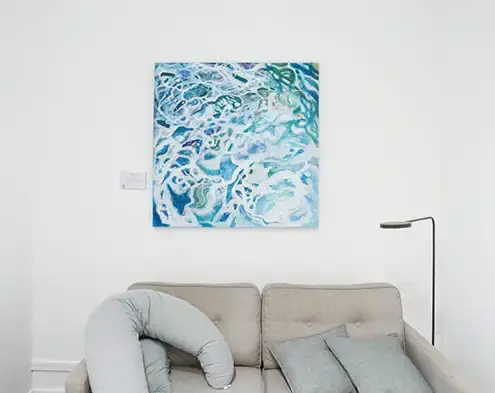
Hang original artwork at the right height and scale
One of the most common mistakes is hanging art too high. Original artwork usually feels most natural when its visual centre sits close to eye level. In homes, that often means slightly lower than people expect, especially above furniture. If a piece is floating far above a sofa or sideboard, it can feel detached from the room.
Scale matters just as much. A small work on a large blank wall may need company, such as a grouping of related pieces, while a substantial painting can hold a wall on its own. If you buy art from artist and want the work to feel intentional, match its visual weight to the furniture and architecture around it. Large furniture can support larger art. Narrow walls suit vertical pieces. Wide horizontal works often shine above beds, sofas, and dining buffets.
Measure the artwork, including the frame if there is one.
Measure the furniture below it, if applicable.
Aim for the artwork to span a comfortable proportion of the furniture width rather than appearing tiny or oversized.
Leave enough breathing room so the work does not feel squeezed by shelves, doors, or ceiling lines.
Location | Best approach | What to avoid |
Above a sofa | Centre the work and keep it visually connected to the furniture below | Hanging so high that the art feels separate from the seating area |
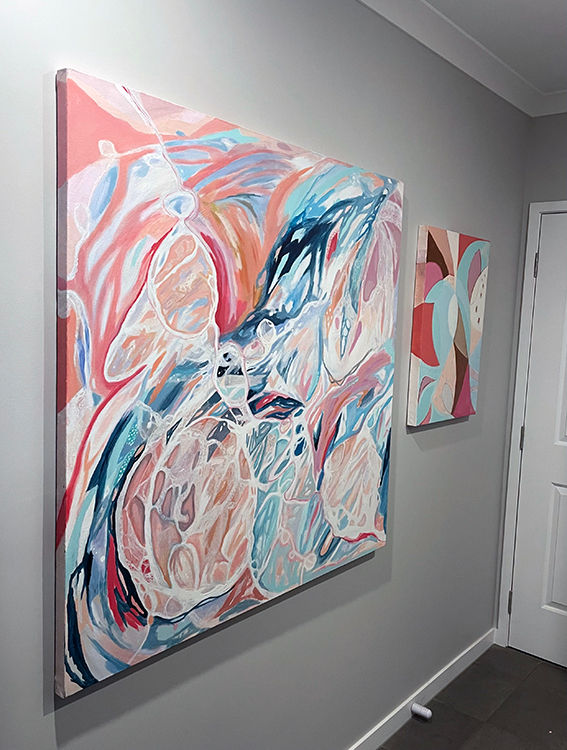
Hallway | Use a work with enough presence to hold a narrower space | Overcrowding the wall with too many unrelated pieces |
Bedroom | Choose balanced, restful placement with soft lighting | Harsh spotlighting or overly busy gallery arrangements |
Dining room | Use art to enrich mood and colour depth | Placing work where glare from pendant lights obscures it |
Use framing and materials to support the artwork
Framing should strengthen the art, not distract from it. The best frame choices respect the style, palette, and texture of the piece. A floating frame can suit contemporary paintings, especially works with expressive edges, while a simple timber or fine neutral frame often gives softer paintings a grounded, finished look. If the artwork is on paper, proper glazing and archival mounting matter for both appearance and preservation.
Restraint is usually the most elegant choice. Overly ornate framing can overpower original work, especially if the painting has subtle detail or nuanced colour shifts. If you are unsure, lean toward clean lines and quality materials. Collectors looking to buy art from artist often appreciate that direct purchases can also offer a clearer sense of the artist's intended presentation, whether that means framed, stretched, or ready to hang.
Do not ignore the wall colour either. White walls can make colour sing, but warmer neutrals, soft clay tones, and gentle greys can also flatter original artwork beautifully. The goal is not to create a showroom. It is to create a setting where the work feels alive.
Light the piece carefully and protect it over time
Lighting is one of the fastest ways to improve how art looks at home. Natural light can be beautiful, but direct sunlight is rarely ideal for original artwork. It can cause fading, heat stress, and uneven ageing over time. If a room receives strong sun, consider a different wall, sheer window coverings, or a display position out of the direct path of light.
Artificial lighting deserves just as much attention. A well-placed picture light, track light, or adjustable wall light can bring out texture and depth, especially in paintings with visible brushwork. Aim for even illumination without glare. If the artwork sits behind glass, test the position of nearby lamps and overhead lights before final placement.
Keep artwork away from prolonged direct sunlight.
Avoid hanging valuable pieces in damp spaces.
Use secure fixings appropriate to the wall type and weight.
Dust frames gently and avoid harsh cleaning products.
Check hanging hardware periodically for stability.
Create a display that feels personal, not staged
The most memorable art displays feel lived with rather than overly styled. Give the work room to breathe, but do not be afraid to place it among objects that tell your story. A painting above a console with collected ceramics, a favourite lamp, and a stack of books can feel deeply personal when the arrangement is balanced. If you prefer a cleaner look, a single original work on a quiet wall can be just as powerful.
This is especially true with original Australian art, where colour, landscape influence, and hand-finished detail often carry emotional warmth. Let those qualities guide the final arrangement. Step back. Sit down. View the piece from where you actually spend time. Art should reward everyday looking, not only a perfectly styled photograph.
When you buy art from artist, you are bringing more than decoration into a room. You are choosing a work with character, intention, and lasting value. Display it with care, and it will shape the mood of your home every day. The best presentations are rarely the most complicated. They are the ones that honour scale, light, framing, and feeling, allowing the artwork to hold attention naturally and beautifully for years to come.

Comments